If you've been taking an iron supplement for months and your fatigue hasn't lifted, or your ferritin level barely moved on your last lab draw, you're not imagining it. For a real slice of patients, oral iron simply doesn't work well enough, fast enough, or without side effects that make daily dosing miserable. That's where IV iron infusion comes in, and it's the question we get most often at NextGen Infusions in Nottingham, MD: why would someone need an infusion when there's a pill sitting on every pharmacy shelf?
The short answer is absorption. The longer answer is worth understanding before your next appointment.
Why Oral Iron Fails More Often Than People Expect
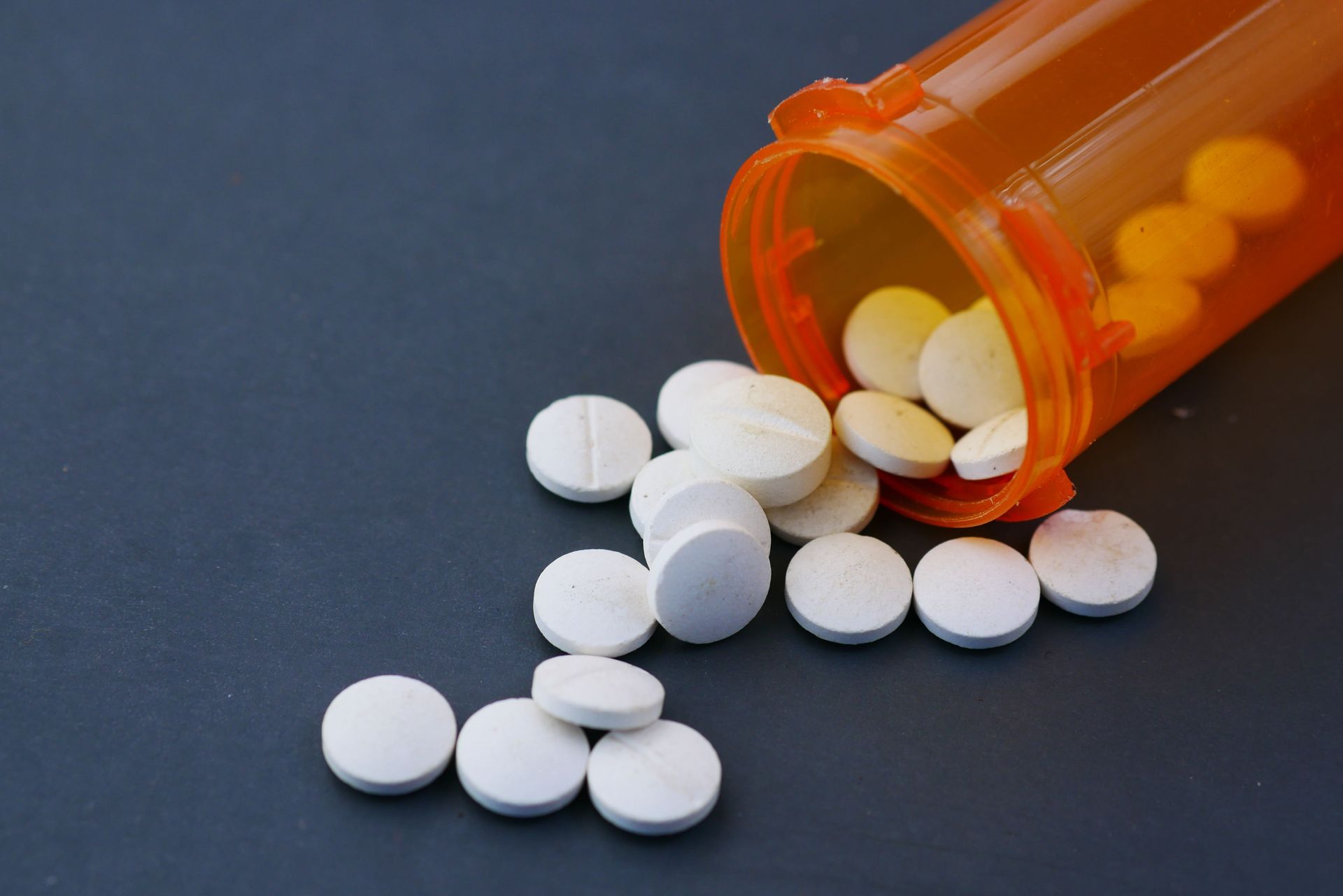
Oral iron tablets (ferrous sulfate, ferrous gluconate, ferrous fumarate) are cheap and easy to find, which is exactly why they're the first thing most doctors try. But the body is stingy about how much of that iron it actually lets in. Research on iron supplementation shows that only about 10 to 20 percent of an oral dose gets absorbed in the small intestine, with the rest passing through the digestive tract unused , and standard dosing regimens require relatively high daily doses sustained over several weeks to months to correct a deficiency.
That unabsorbed iron is also what causes the side effects people complain about most: constipation, nausea, cramping, and stool that turns dark or greenish , along with a metallic taste and general stomach discomfort that many patients find hard to tolerate. For some people those symptoms are a mild annoyance. For others, they're the reason the bottle ends up in the back of a cabinet, untouched, three weeks in.
Who Actually Needs IV Iron Instead of Pills
IV iron isn't a shortcut or an upgrade for its own sake. It's the right call for specific patients whose bodies either can't absorb oral iron or can't absorb it fast enough to keep up with losses. Based on current hematology guidance, that includes:
Inflammatory bowel disease (IBD). Active inflammation in the gut both blocks iron absorption and can be worsened by oral iron itself, which makes infusion the preferred route during flares.- Post-bariatric surgery. Procedures that bypass or alter the duodenum, where most iron absorption happens, leave oral supplementation largely ineffective regardless of dose.
- Heavy menstrual bleeding. When monthly blood loss outpaces what oral iron can replace, patients stay anemic no matter how consistently they take their pills.
- Chronic kidney disease. Elevated hepcidin, a hormone that blocks iron release from the gut and body stores, is common in CKD and blunts oral iron's effectiveness even at high doses.
Across these groups, clinical guidance consistently points toward IV iron as the more reliable option, with formulations shown to be safe and effective for iron deficiency related to CKD, IBD, post-bariatric surgery, heavy uterine bleeding, and pregnancy.
If you fall into one of these categories, or you've simply tried oral iron for a full course and your labs haven't moved, that's the point where a conversation about infusion makes sense, not a last resort after everything else has failed for a year.
What an Infusion Visit Actually Involves
A lot of the hesitation around IV iron comes from not knowing what to expect. The visit itself is straightforward: you're seated in a treatment chair, an IV line is placed, and the infusion runs over a set period depending on the formulation used, typically well under an hour for many modern options. You're monitored throughout, and most patients read, work, or scroll their phone the entire time. There's no fasting requirement and no sedation involved.
Because IV iron bypasses the digestive tract entirely, it also sidesteps the GI side effects that make oral iron hard to stick with. That doesn't mean infusion has zero downsides. Cost is higher than a bottle of tablets, and it requires a clinical setting rather than something you can do at home. But for the patients it's actually indicated for, the tradeoff is usually a fast, well-tolerated correction instead of months of stalled progress.
Getting the Right Diagnosis First
IV iron works best when it's targeted at a confirmed, specific cause, not used as a blanket fix for feeling tired. That's why NextGen Infusions works closely with
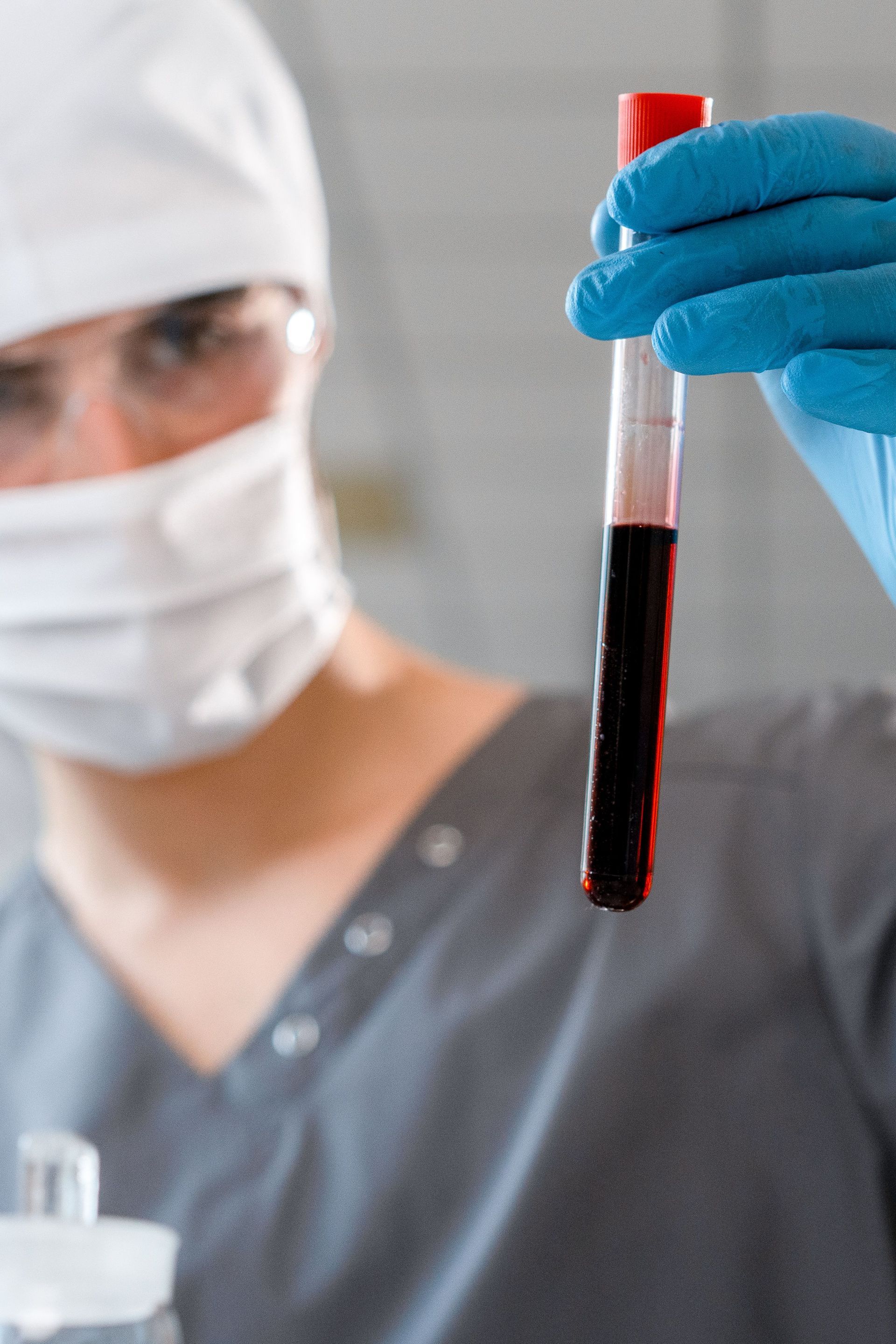
Brodsky Hematology, the affiliated hematology practice next door, on patients whose iron deficiency needs a real workup before treatment starts. Dr. Brodsky's team identifies what's actually driving the deficiency and whether oral iron has a real shot at working first. When it doesn't, or when the labs point clearly toward malabsorption or ongoing blood loss, that's when infusion at NextGen becomes the next step.
If you've already had that workup, or your PCP has told you oral iron isn't cutting it,
see how our wellness and iron infusion services work or
contact us to talk through whether an infusion is right for you.