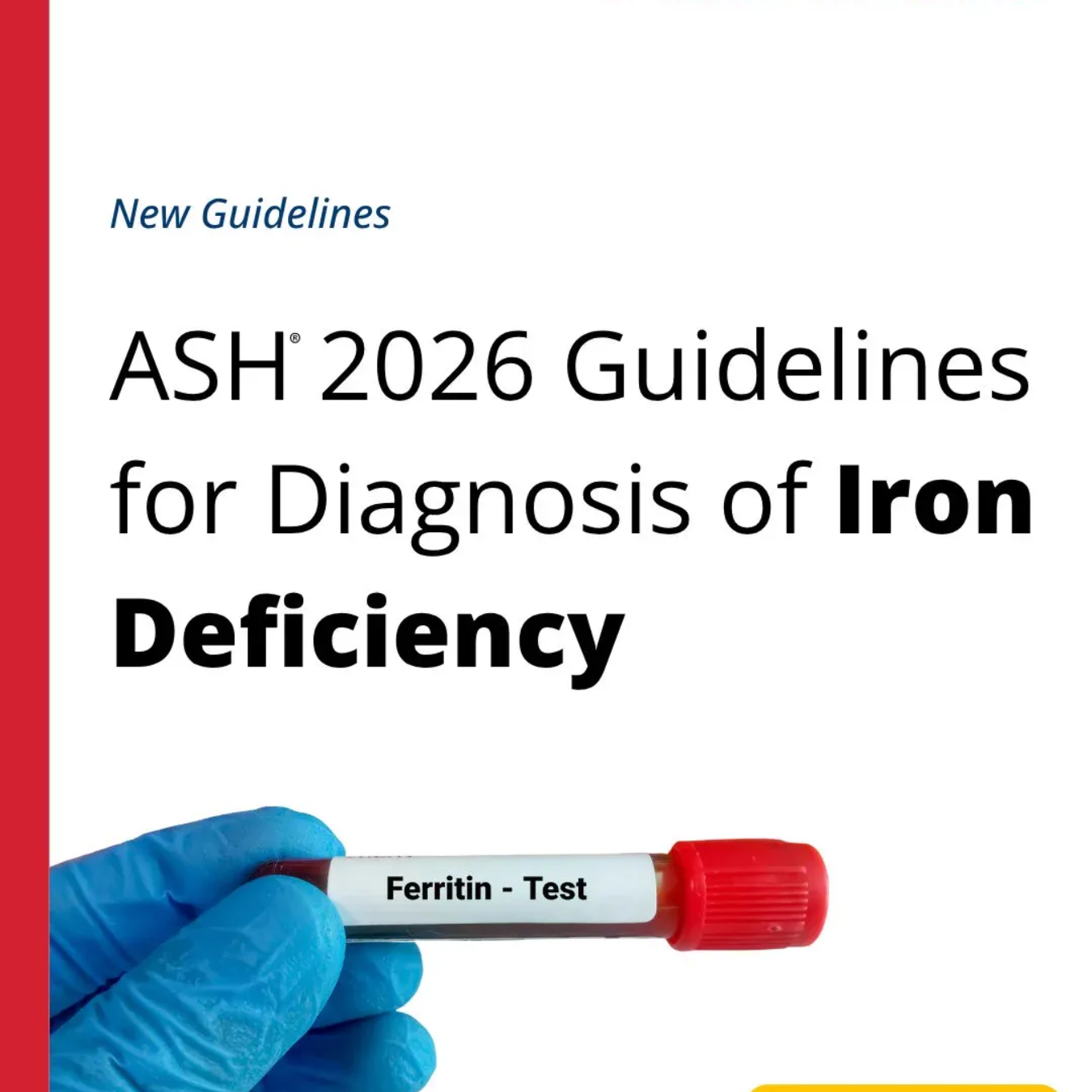
I get some version of this question in nearly every new patient consult here in Nottingham, MD: "Am I seeing a cancer doctor?" The honest answer is no. I am board certified in hematology, not oncology, and my practice is built specifically around benign hematology, meaning non-cancerous blood disorders. Hematology and oncology overlap in training, but they are not the same practice, and the distinction matters a great deal if you or your patient has just been handed a referral to my office.
What a Hematologist Actually Treats
Hematology is the study and treatment of blood and the organs that make it: bone marrow, the lymphatic system, and the clotting cascade. That includes cancers of the blood, like leukemia and lymphoma. It also includes a much larger category of non-cancerous conditions that never involve a single chemotherapy drug: iron deficiency anemia, unexplained low platelet counts, clotting and bleeding disorders, polycythemia, and abnormal results on a routine complete blood count (CBC) that need a specialist’s eye before anyone can say what they mean.
Oncology, by contrast, is specifically the diagnosis and treatment of cancer in any organ system, not just blood. The two fields overlap because so many blood cancers require both hematologic and oncologic expertise to treat. That overlap is exactly why the distinction gets lost on patients, and sometimes on referring offices too.
Benign Hematology Is Its Own Practice, and It Is Not the Common One
There is a second distinction inside hematology that gets missed even more often than hematology versus oncology, and it is the one that actually describes my practice.
Some hematologists focus on blood cancers: leukemia, lymphoma, myeloma. Others focus on the non-cancerous side: anemia and iron metabolism, platelet disorders, clotting and bleeding disorders, and abnormal blood counts with no clear cause. That second focus is what Brodsky Hematology is. The field’s own professional body, the American Society of Hematology, formally adopted a name for it in 2022: classical hematology. Benign hematology and non-malignant hematology describe the same thing.
One caution about the word benign: it means non-cancerous, not minor. Immune thrombocytopenia, hemophilia, sickle cell disease, and iron deficiency severe enough to require infusion are all benign hematology diagnoses, and none of them are trivial. The label describes what a condition is not. It says nothing at all about how much attention that condition needs, or how much it affects how you feel day to day.
What most patients, and plenty of referring offices, do not realize is how uncommon that focus is. In an ASH workforce survey of 2,500 practicing hematologists, 46 percent reported a shortage of classical hematologists in the field. Follow-up research found that fewer than 5 percent of hematology-oncology fellows planned to build a career in it, and a 2025 study of adult hematologist-oncologists at NCI-designated cancer centers put the practicing figure at roughly 1 in 20. The gap was serious enough that ASH committed $19 million to fund dedicated hematology-focused fellowship tracks, aiming to produce 50 new classical hematologists by 2030.
So when a patient with iron deficiency or an unexplained platelet count asks whether they are in the right place, the more useful question is not hematologist or oncologist. It is whether the hematologist they are seeing practices the non-cancer side of the field every day, or sees it between cancer cases.
Why Most Hematologists Are Also Trained in Oncology
In the United States, hematology and oncology are usually trained together, in a single three-year fellowship after internal medicine residency. The certifying requirements set by the American Board of Internal Medicine build the imbalance directly into that pathway: for dual certification, at least 12 of the 18 required months of clinical training must be spent on neoplastic (cancer) disease, and 6 months on non-neoplastic hematologic disorders. Certifying in hematology alone is a separate, shorter pathway of 24 months.
Physicians who finish fellowship then decide which certifications to maintain, and maintaining oncology certification alongside hematology is a personal choice, not a requirement. I made that choice deliberately. I am board certified in hematology, not in medical oncology, and I built this practice around benign hematology rather than cancer treatment.
That is the piece most patients never hear, and it is worth saying plainly: a referral to me is not a referral to a cancer specialist. It is a referral to someone whose entire practice is figuring out what an abnormal blood finding actually means, which in the majority of cases turns out to be something manageable.
Why the Distinction Matters for Your Referral
For referring physicians, this changes how and where you send a patient. Someone with iron deficiency anemia, an isolated low platelet count, or a family history of clotting disorders does not need an oncology intake process built around chemotherapy scheduling and infusion suites. They need a benign hematology workup: a careful history, targeted labs, and a clear explanation of what the numbers mean, without being routed through a cancer center’s front door and the anxiety that comes with it.
For patients, the distinction lands even more directly. Walking into an oncology waiting room when you have low ferritin and fatigue is a genuinely different experience, emotionally, than walking into a practice built around benign hematology. The diagnosis does not change based on where you are seen. The experience of getting there should match what is actually going on.
What This Means If You Have Been Referred to Me
Most of the patients I see are not being evaluated for cancer. They are being evaluated for things like:
- Iron deficiency that has not responded to standard treatment, where the next step is often determining whether oral iron is even the right approach, or whether an iron infusion through NextGen Infusions, our affiliated infusion center, makes more sense
- A CBC that came back with an unexplained abnormal value on routine bloodwork
- A personal or family history that warrants a clotting disorder evaluation
- Chronically low or high platelet counts with no clear cause yet identified
If any of those sound like your situation, or your referring provider’s note said "hematology consult" without much explanation, that uncertainty is normal, and it is exactly what the first visit is for. Learn more about what to expect at a first benign hematology consult, or request an appointment to get a straight answer about what your labs actually mean.